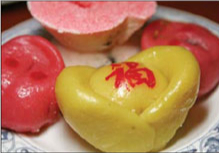
Chongyang Cake
Introduction
Chongyang Cake, also known as Double Ninth Cake, is a traditional Chinese delicacy predominantly enjoyed during the Chongyang Festival, also referred to as the Double Ninth Festival. This festival is celebrated on the ninth day of the ninth month on the traditional Chinese calendar, a date chosen because the number nine is considered auspicious in Chinese culture. The cake, typically made from rice, holds cultural significance and is intricately linked with the festivities and customs of the Chongyang Festival. It is one of the many items associated with the festival, alongside chrysanthemum wine and cornel accessories, and plays a role in the celebration's rituals of health, longevity, and familial gatherings.
History
The history of Chongyang Cake is deeply embedded within the rich tapestry of the Chongyang Festival. Though its origin may be earlier, Chongyang Festival was widely recognized during the Tang Dynasty (618-907 AD), when traditional practices began to take shape. Over time, the consumption of Chongyang Cake became synonymous with the festival. As with other traditional Chinese foods, the cake's purpose extends beyond mere sustenance; it serves as a symbolic gesture of good fortune and longevity. The cake’s evolution has mirrored societal changes, but it continues to be a staple during the festival, providing a direct connection to ancient customs and the historical narratives that define the festival’s significance.
Ingredients
The primary component is glutinous rice flour, which gives the cake its distinctive chewy texture. To enhance the flavor, sweet fillings such as red bean paste or jujube paste are often incorporated. Some variations may include nuts or dried fruits, like walnuts or raisins, to add texture and flavor complexity. It is also common to find the cake decorated with colorful toppings, which are made from sesame seeds, osmanthus flowers, or other edible adornments. These ingredients, while straightforward, are chosen for their symbolic meanings and traditional significance, adding layers of cultural meaning to this festive food.
Preparation Method
Typically, the rice flour is mixed with water to form a dough, which is then steamed to achieve a soft, sticky texture. The dough may be divided and filled with sweet pastes or left plain, depending on regional preferences. When filled, the dough is carefully shaped into small cakes and adorned with decorative toppings. The cakes are then steamed again until fully cooked. Modern variations may involve baking or frying, but steaming remains the most authentic method, preserving the cake's traditional consistency and flavor profile.
Variations
Chongyang Cake has several regional variations, each offering a unique twist on this traditional delicacy. In some parts of China, the cake is made with layers of different colored doughs, creating a visually striking appearance. Other regions might favor a particular type of filling, such as lotus seed paste or sweet black sesame, which reflects local tastes and customs. Some modern interpretations incorporate innovative ingredients like matcha or cocoa powder, appealing to contemporary palates while still honoring the cake’s traditional roots.








